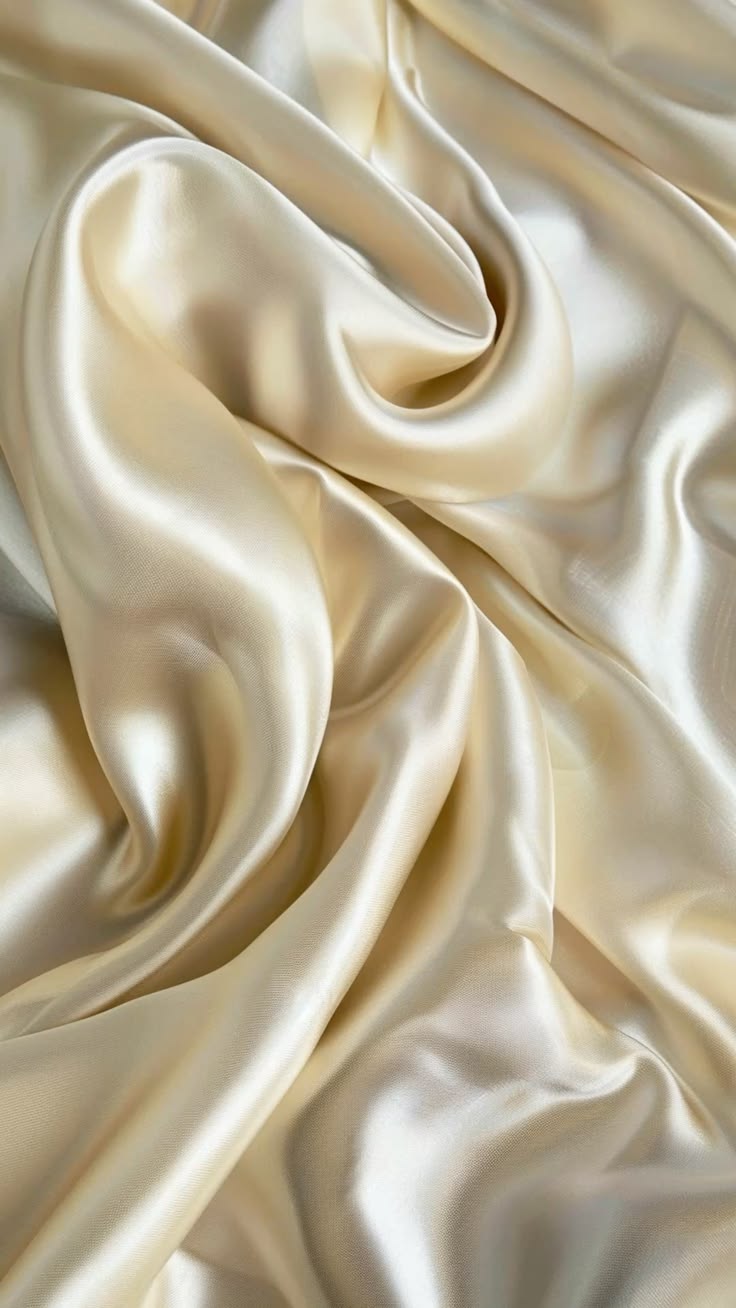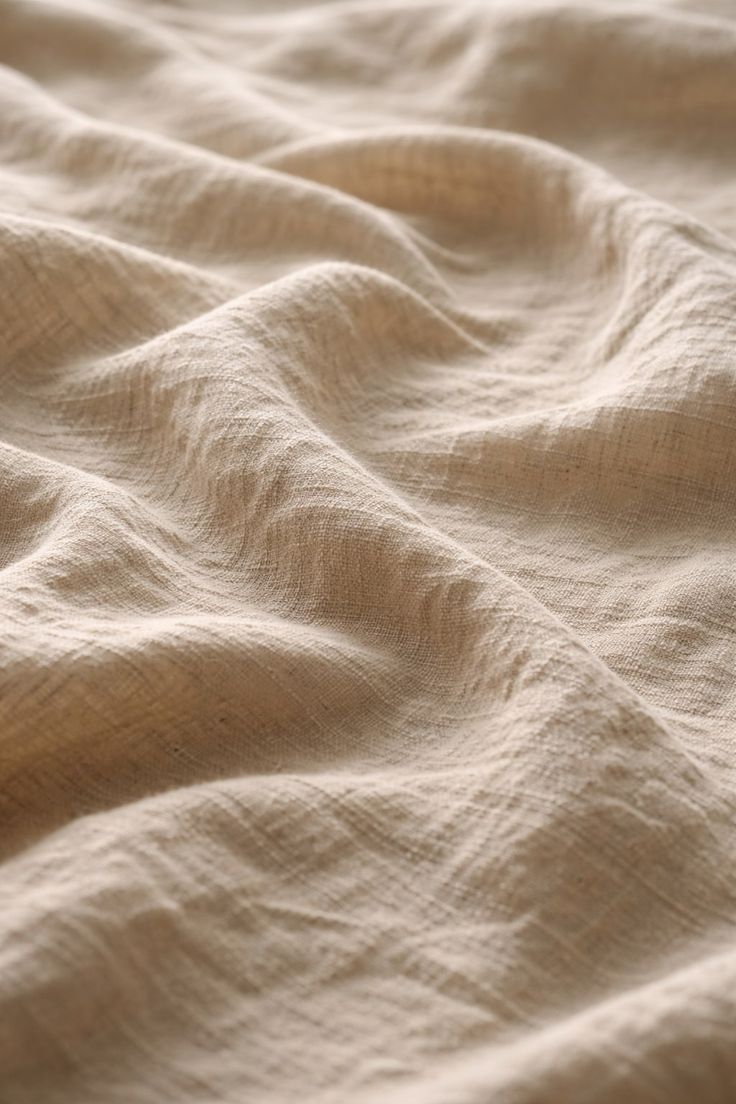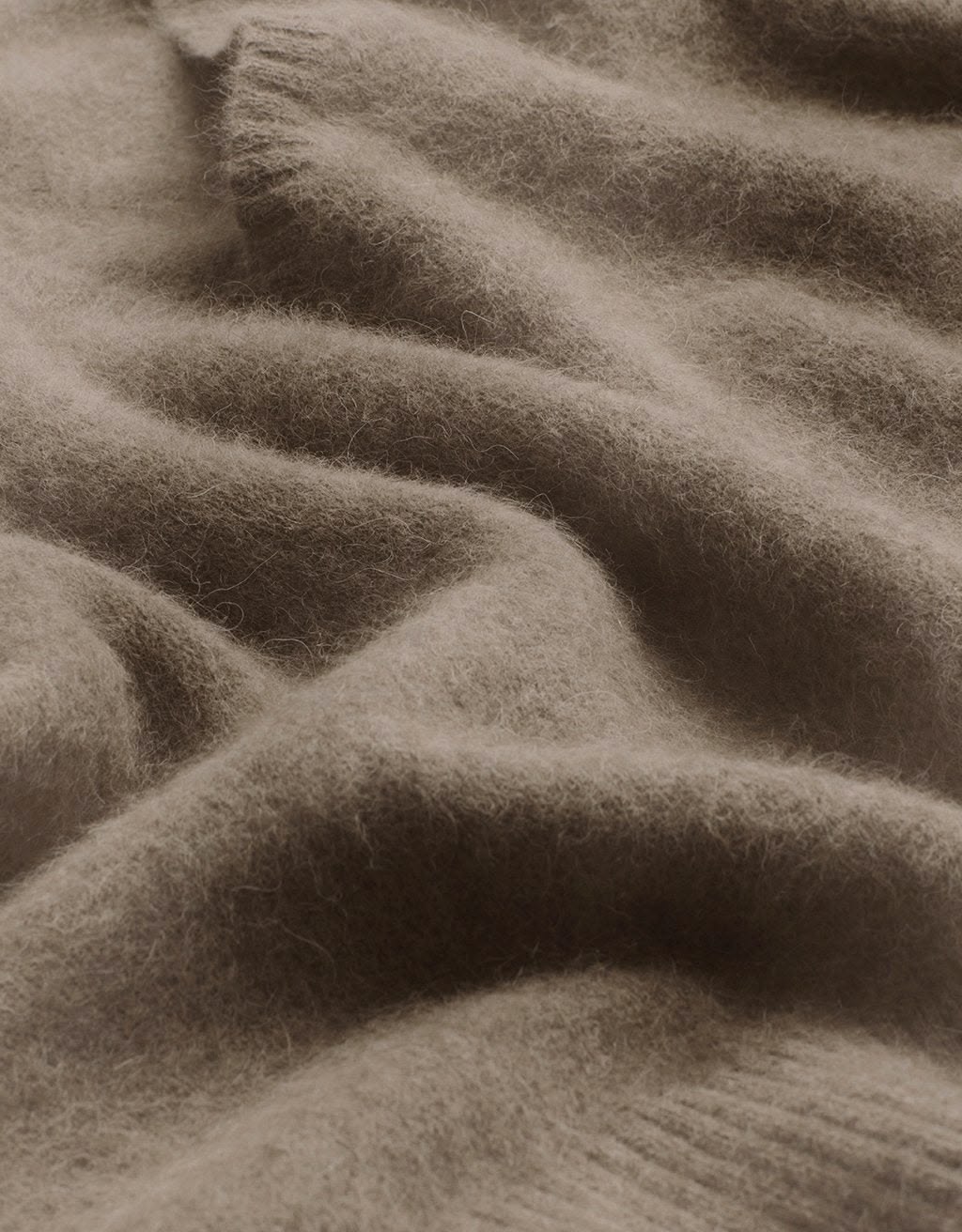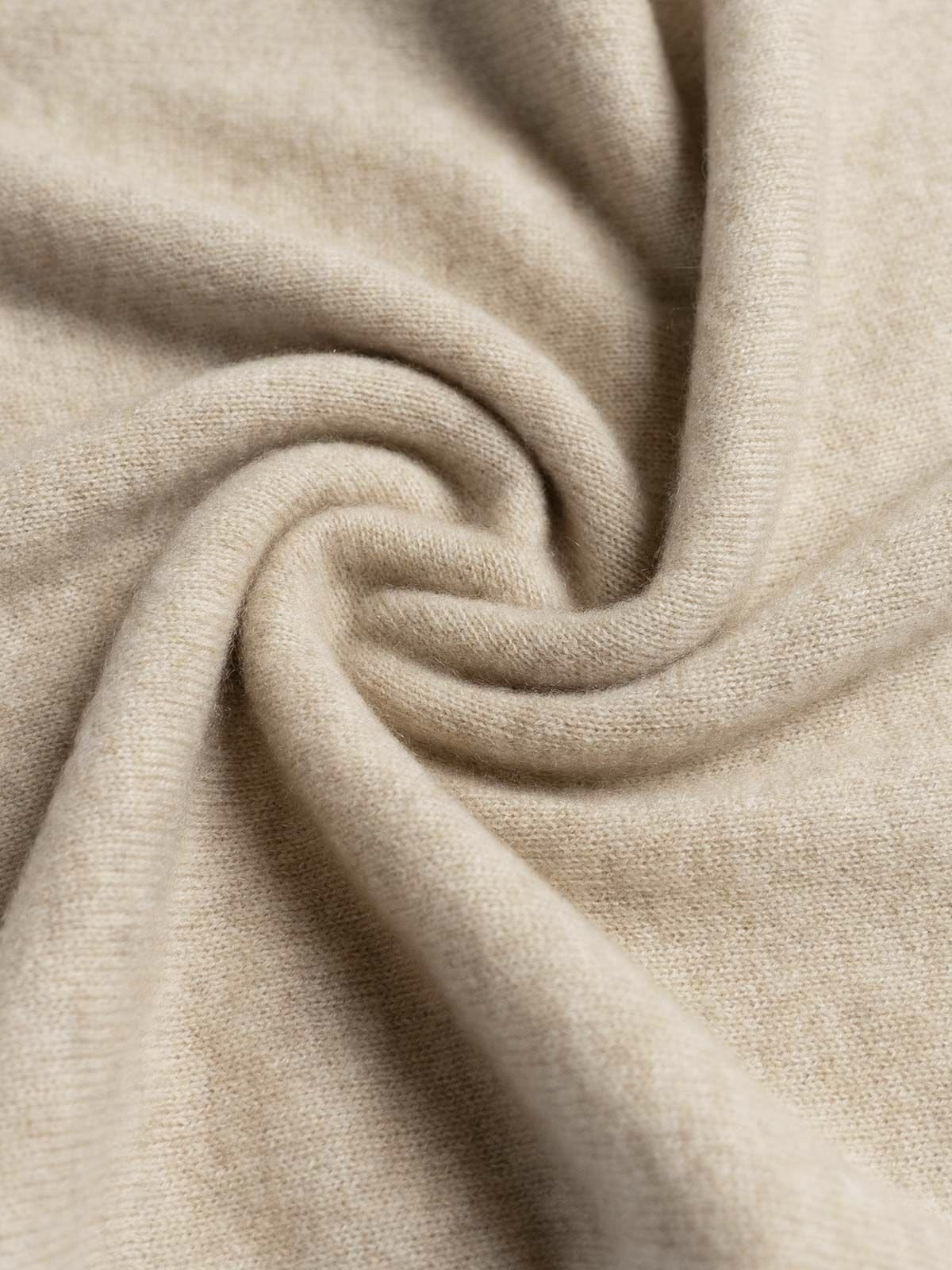
Pick up any piece of clothing in your wardrobe and turn it inside out. The care label is doing more work than it gets credit for — it's the one place a garment tells you, in plain (if tiny) print, exactly what it's made of. And increasingly, what it's made of is plastic. Roughly 60% of clothing produced today contains synthetic fibres like polyester, nylon or acrylic — plastics spun into thread, woven into fabric, and washed into our water supply one microfibre at a time.
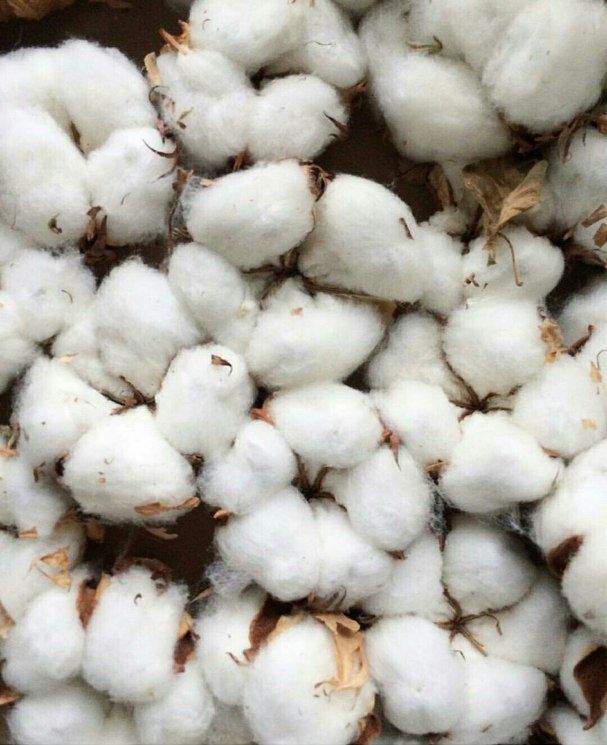
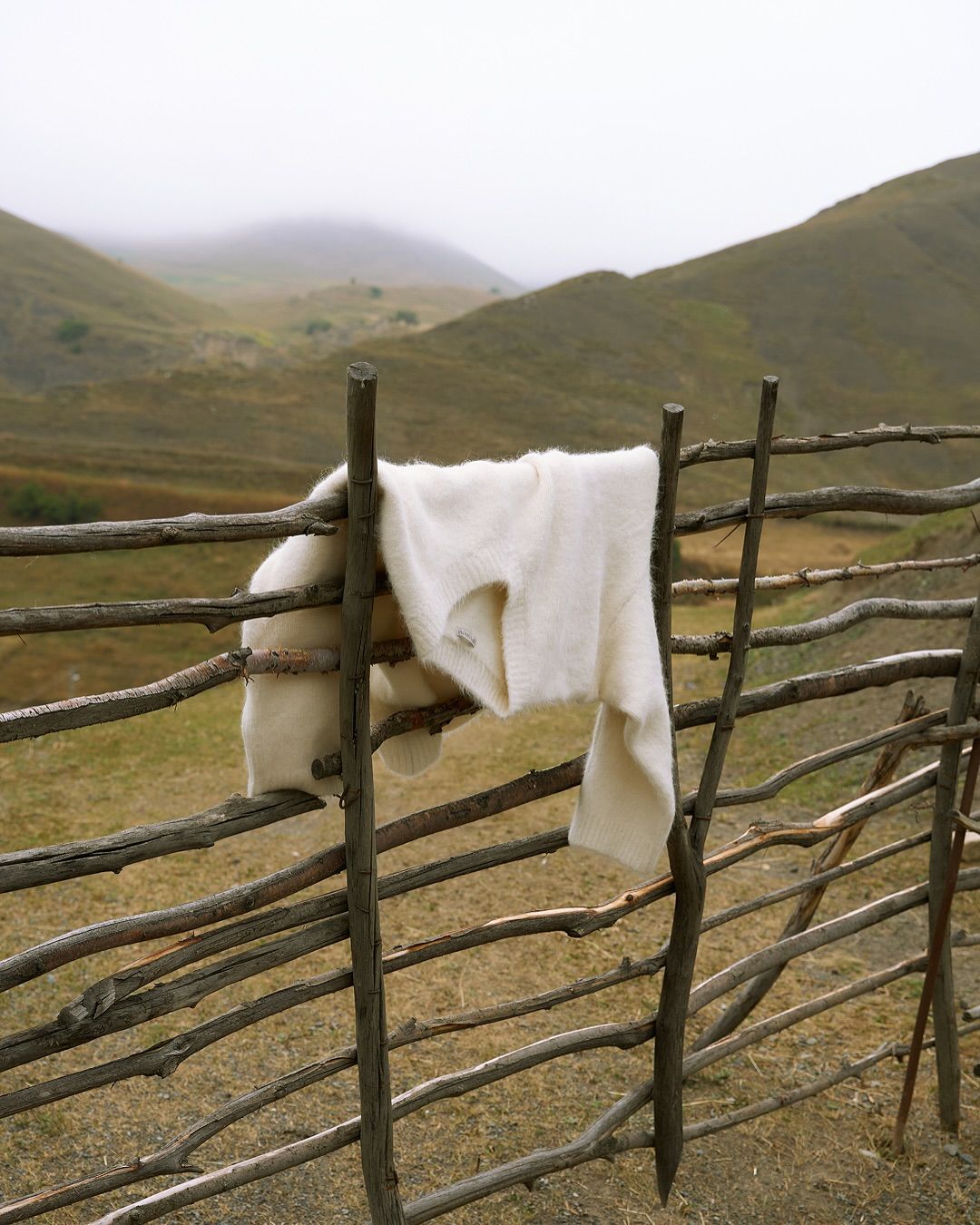
The good news: natural fibres haven't gone anywhere. Silk, linen, wool, cashmere, cotton and hemp have clothed humans for thousands of years, long before petroleum ever touched a loom. They're biodegradable, often more breathable and durable than their synthetic stand-ins, and — this is the part that matters most to us — they don't shed plastic into your washing machine, your water supply, or you.
This is the first entry in Decode Your Clothes Journal, where we'll be pulling apart labels, myths and marketing claims one fibre at a time. First up: a field guide to six of the most common natural fibres — what actually makes them good, and how to recognise the real thing on a label.